
If you’ve caught yourself avoiding smiling in photos or keeping your lips closed a little more than usual, you’re not alone. Tooth discoloration is one of the most common concerns we hear from patients — and one of the most fixable.
So to answer the question directly: yes, yellow teeth can absolutely become white again. Not always overnight, and not always with the same approach for every person, but with the right treatment, a noticeably brighter smile is within reach for most people. What matters most is understanding why your teeth look the way they do, so you can choose a solution that actually works.
What’s Actually Making Your Teeth Yellow?
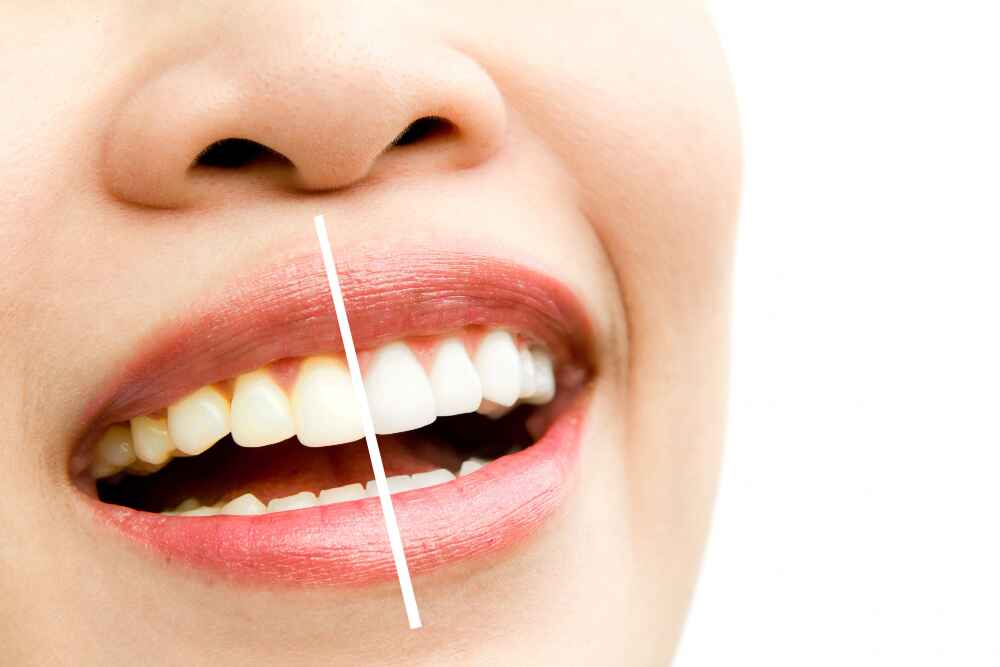
This is where a lot of people smanykip a step. They reach for whitening strips or a new toothpaste without stopping to think about what’s causing the discoloration in the first place — and then wonder why nothing seems to work.
Tooth discoloration generally falls into two categories. Surface staining — called extrinsic staining — happens on the outside of the enamel and is typically caused by the foods and drinks you consume every day. Coffee, tea, red wine, and dark sodas are the usual culprits, and tobacco use makes things significantly worse. These stains build up gradually, which is why you might not notice them until you look at an old photo and do a double take.
Then there’s intrinsic discoloration, which comes from inside the tooth itself. This can happen because of certain medications taken during childhood (some antibiotics, for example), dental trauma, or just the natural aging process. As the outer enamel wears down over time, more of the yellowish dentin underneath shows through. This type of discoloration is a little more stubborn and doesn’t always respond to standard whitening the same way surface stains do.
Poor oral hygiene plays a role too. When plaque and tartar aren’t removed consistently, they start to dull the appearance of teeth in ways that brushing alone can’t fix at that point.
Knowing which category you’re dealing with makes a real difference in choosing the right path forward.
What Actually Works for Whitening Yellow Teeth
There’s no shortage of products out there claiming to whiten teeth, and it can be genuinely hard to sort through what’s worth trying. Here’s an honest breakdown.
Professional whitening — in-office or at home
Professional treatments use higher concentrations of whitening agents than anything available over the counter, which is why results tend to be more dramatic and happen faster. In-office whitening can brighten teeth several shades in a single appointment. Take-home kits prescribed by a dentist use custom-fitted trays that distribute the gel more evenly than store-bought strips, which tend to be one-size-fits-all and often miss spots.
For surface staining — the kind caused by years of coffee or wine — professional whitening works exceptionally well. Results typically last one to three years, depending on lifestyle habits.
Over-the-counter products
Whitening strips and whitening toothpaste can be useful for mild discoloration or for maintaining results after a professional treatment. They’re not going to move the needle dramatically on their own for significant staining, but they’re not useless either. Just go in with realistic expectations.
Natural remedies like baking soda or oil pulling come up a lot online. They’re generally harmless in moderation, but the whitening effect is minimal at best. They’re worth mentioning mainly so you don’t spend months on something that isn’t going to get you where you want to go.
When whitening isn’t the right tool
Sometimes discoloration runs deeper than whitening can reach. Severe intrinsic staining, enamel erosion, or discoloration from past dental trauma may not respond well to bleaching treatments — and pushing harder with stronger products can actually damage enamel further.
In those cases, cosmetic options like porcelain veneers or composite bonding are worth a conversation. Veneers in particular are excellent for creating a uniformly bright appearance that holds up well over time. These aren’t the right fit for everyone, but for patients who haven’t gotten the results they hoped for from whitening, they’re often a real turning point.
How to Keep Your Results Once You Have Them
Whitening isn’t a one-and-done thing — though with some simple habits, you can make results last much longer than most people expect.
Rinsing your mouth with water after coffee or tea makes a bigger difference than it sounds. Drinking through a straw reduces how much dark liquid contacts your teeth. Brushing consistently — especially before bed — prevents new stains from setting in overnight. And keeping up with regular cleanings removes the surface buildup that makes teeth look dull even when they’re not technically stained.
Touch-up whitening every so often is also worth factoring in. Depending on your habits, a brief at-home treatment once or twice a year can keep things looking fresh without needing to start from scratch.
A Note on Safety
Done correctly, teeth whitening is safe. Some people experience temporary sensitivity during or after treatment — teeth can feel a bit more reactive to hot and cold for a day or two — but this typically resolves on its own quickly.
Where things can go wrong is with overuse of products, especially unregulated or very high-concentration ones used without professional guidance. Enamel doesn’t grow back, so it’s worth being careful. If you’re not sure where to start or whether whitening is appropriate for your specific situation, a quick conversation with your dental team is always a smarter first step than experimenting on your own.
Where to Start
If you’ve been thinking about whitening your teeth, the most useful thing you can do first is figure out what’s actually causing the discoloration. That shapes everything else — whether a basic at-home product makes sense, whether professional whitening is the better route, or whether there’s something else going on that needs attention first.
At Crane Mountain Dental, we take the time to have that conversation with every patient. We’d rather help you find something that genuinely works for your smile than send you home with a generic recommendation. If you’re curious about your options, we’re happy to help you figure out where to start — just give us a call or book a consultation online.